
Dark Skies at Night

Why dark skies matter in the countryside
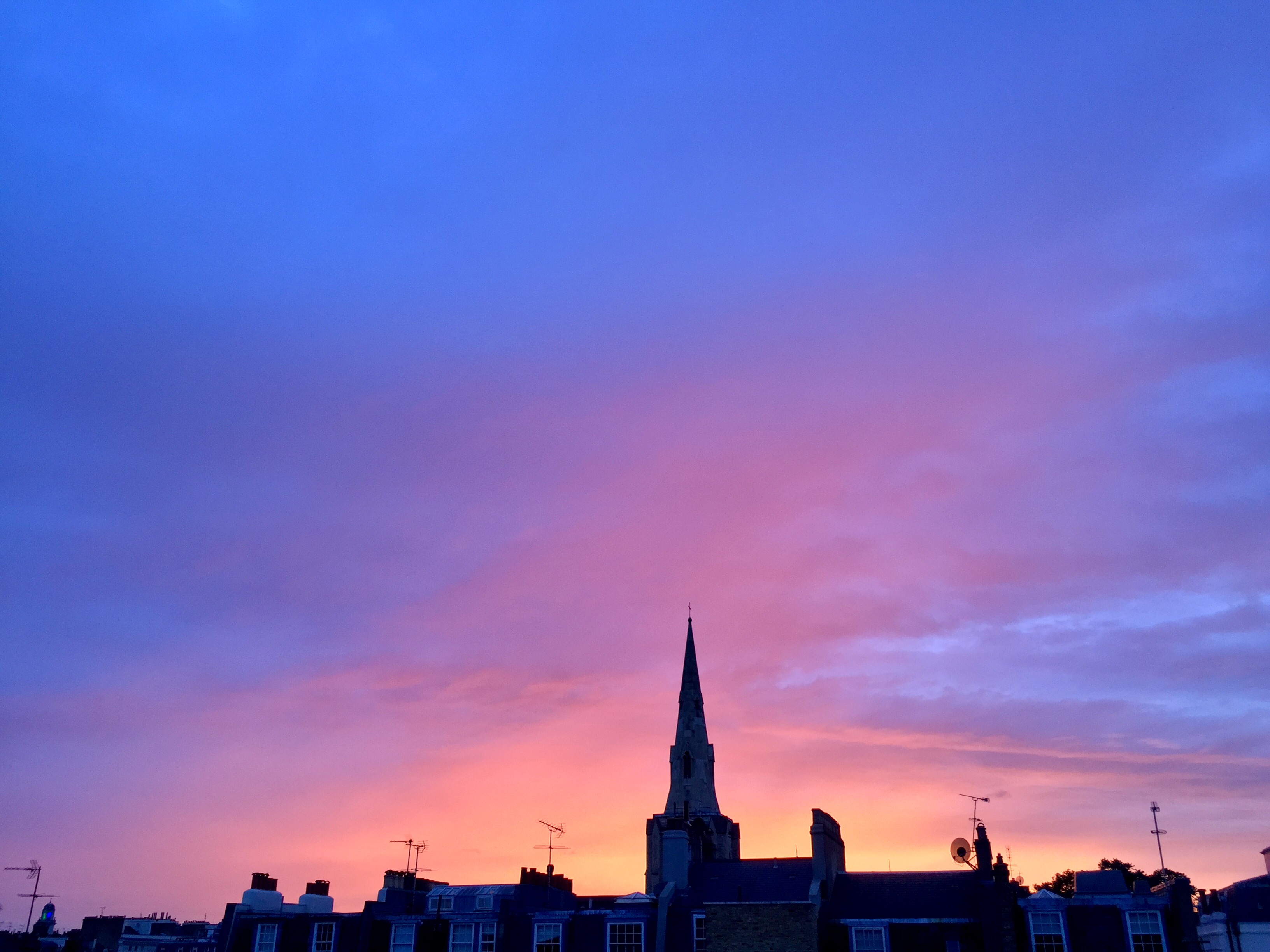
In Dumbleton, we are indeed fortunate to experience the luxury of dark velvet skies and starry nights, where the entire atmosphere transforms into a peaceful symphony of movement and life. As the sun sets and darkness envelops the landscape, the night reveals its hidden wonders. The movement, which you may well wonder about, is not merely a figment of imagination; it is the delicate fluttering of dark wings against a silhouetted sky that captivates our senses. The soft, almost ethereal sound of bat wings flitting through the air as they forage for insects creates a soothing backdrop to our evening tranquility. These remarkable creatures, often misunderstood, are living out their precious lives under the cover of darkness, engaging in activities that are both vital for their survival and beneficial for our ecosystem. They navigate the night with grace, foraging, socializing, and simply being bats, playing an essential role in maintaining the balance of our local environment.
However, this lovely state of affairs that we cherish in our village is not something we can take for granted. It is crucial that we remain vigilant and proactive in monitoring the delicate balance of our ecosystem. We are already facing the potential threat of a new housing development planned for construction on green belt and conservation land, situated in an area renowned for its outstanding natural beauty. Our local Ecologist, who resides in our village and possesses a deep understanding of the local wildlife, has highlighted on numerous occasions the ecological implications of building in this sensitive part of the countryside. Such developments pose significant risks, particularly to the wildlife that calls this area home, including our cherished bat population and their essential feeding grounds. It is well-documented that these bats feed in the vicinity of the trees and hedgerows of Golden Hay, but the long-term effects of constructing houses on this site remain uncertain.

We are particularly concerned about the impact on the 11 out of 18 bat species that inhabit the area and rely on these feeding grounds. Furthermore, the presence of houses, along with the activity typically associated with residential living, such as the constant movement of people, the illumination of lights shining from windows, and the noise generated by daily life, may disrupt the delicate equilibrium that these nocturnal creatures depend on for their survival. The disturbance caused by such developments could have far-reaching consequences that no amount of offsetting by local councils can adequately mitigate.
The health and well-being of our resident bat population hang in the balance, and it is imperative that we all unite in our efforts to protect not only our bats but all wildlife in the area. This includes other nocturnal species, such as hedgehogs, whose habitats are gradually being eroded by the encroachment of human development. Hedgehogs, for instance, roam distances of up to 4 miles in search of food, shelter, and potential mates, and any disruption to their natural habitats can be detrimental to their populations.

As stewards of the countryside, we carry the responsibility to ensure that our voices are heard in the ongoing conversation about land use and conservation. It is essential that we advocate for the protection of our wildlife and the preservation of the beauty of our land, not only for our enjoyment today but for the benefit of future generations and the myriad of wildlife that share this space with us. We must be the voice for the voiceless, standing together to safeguard the delicate ecosystems that enrich our lives and sustain the natural world around us. Our commitment to preserving the integrity of our environment is a legacy worth fighting for, one that honours the interconnectedness of all living beings and the beauty of the natural world we are privileged to inhabit.


Comments