
Protecting Our Planet: Join the Movement Today

Updated: Nov 15, 2025
The planet is facing unprecedented challenges. Climate change, pollution, and biodiversity loss threaten our ecosystems and our way of life. As individuals, we have the power to make a difference. By joining the movement to protect our planet, we can create a sustainable future for generations to come. This blog post will explore the importance of environmental protection, practical steps you can take, and how collective action can lead to meaningful change.
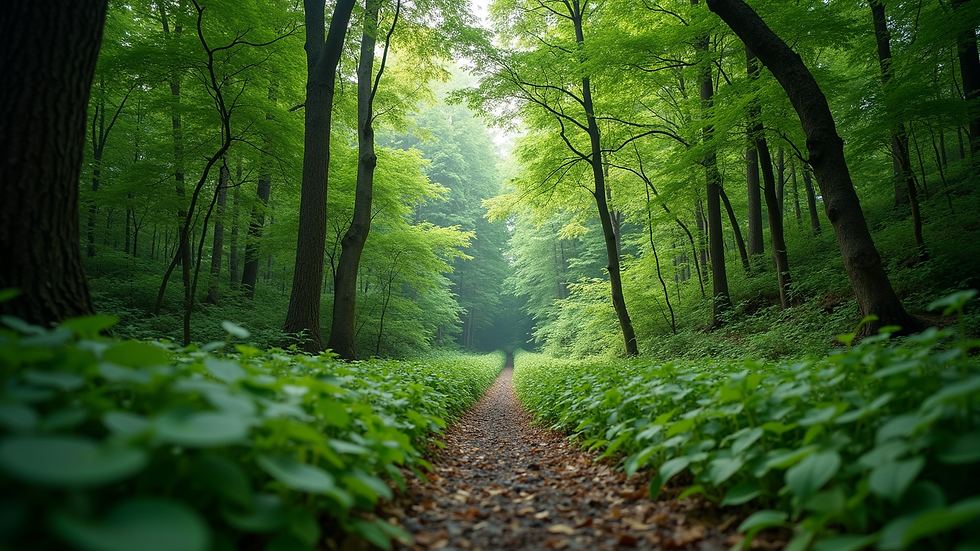
The Importance of Environmental Protection
Understanding the Crisis
The environmental crisis is not just a distant threat; it is a reality we face today. According to the Intergovernmental Panel on Climate Change (IPCC), global temperatures are rising, and extreme weather events are becoming more frequent. This has serious implications for agriculture, water supply, and human health.
The Role of Biodiversity
Biodiversity is essential for a healthy planet. It supports ecosystem services such as pollination, nutrient cycling, and climate regulation. Unfortunately, human activities have led to habitat destruction and species extinction at an alarming rate. The World Wildlife Fund (WWF) reports that wildlife populations have declined by an average of 68% since 1970. Protecting biodiversity is crucial for maintaining the balance of our ecosystems.
Pollution and Its Impact
Pollution is another significant threat to our environment. Air, water, and soil pollution can have devastating effects on human health and wildlife. The World Health Organization (WHO) estimates that air pollution causes approximately 7 million premature deaths each year. Reducing pollution is essential for creating a healthier planet.
Practical Steps to Protect the Environment
Reduce, Reuse, Recycle
One of the simplest ways to contribute to environmental protection is by adopting the three Rs: reduce, reuse, and recycle. Here are some practical tips:
Reduce: Cut down on single-use plastics by using reusable bags, bottles, and containers.
Reuse: Find creative ways to repurpose items instead of throwing them away. For example, glass jars can be used for storage or as planters.
Recycle: Familiarize yourself with your local recycling guidelines and ensure you are recycling materials correctly.
Conserve Energy and Water
Conserving energy and water not only reduces your carbon footprint but also saves money. Here are some effective strategies:
Energy Conservation: Switch to energy-efficient appliances, use LED light bulbs, and unplug devices when not in use.
Water Conservation: Fix leaks, install low-flow fixtures, and collect rainwater for gardening.
Support Sustainable Practices
Supporting businesses and practices that prioritize sustainability can make a significant impact. Consider the following:
Buy Local: Purchasing locally sourced products reduces transportation emissions and supports your community.
Choose Sustainable Brands: Look for companies that prioritize eco-friendly practices, such as using renewable resources and minimizing waste.
The Power of Collective Action
Joining Community Initiatives
Individual actions are essential, but collective efforts can lead to more significant change. Joining community initiatives can amplify your impact. Here are some ways to get involved:
Participate in Clean-Up Events: Many communities organize clean-up days for parks, beaches, and other public spaces. Participating in these events helps restore natural habitats and raises awareness about pollution.
Advocate for Policy Change: Engage with local government and advocate for policies that protect the environment. This can include supporting renewable energy initiatives or stricter regulations on pollution.
Global Movements
Several global movements focus on environmental protection. Joining these movements can connect you with like-minded individuals and amplify your voice. Some notable movements include:
Fridays for Future: Initiated by Greta Thunberg, this movement encourages students to strike for climate action.
Earth Day Network: This organization promotes environmental protection through education, advocacy, and community engagement.
The Role of Education
Raising Awareness
Education plays a crucial role in environmental protection. By raising awareness about environmental issues, we can inspire others to take action. Here are some ways to educate yourself and others:
Attend Workshops and Seminars: Many organizations offer workshops on sustainability, conservation, and climate change. Participating in these events can deepen your understanding and equip you with practical skills.
Share Knowledge: Use social media platforms to share information about environmental issues and solutions. Engaging discussions can inspire others to join the movement.
Teaching Future Generations
Teaching children about the importance of protecting the environment is vital for creating a sustainable future. Here are some ideas for incorporating environmental education into your child's life:
Nature Walks: Take children on nature walks to explore local ecosystems and learn about plants and animals.
Gardening: Involve children in gardening activities to teach them about food sources and the importance of biodiversity.
Conclusion
Protecting our planet is a shared responsibility that requires action from all of us. By adopting sustainable practices, supporting community initiatives, and educating ourselves and others, we can make a meaningful impact. The movement to protect our environment is growing, and now is the time to join in. Together, we can create a healthier, more sustainable world for future generations.
Take the first step today—whether it’s reducing your plastic use, participating in a local clean-up, or advocating for policy change. Every action counts, and together, we can make a difference.


Comments